Your Feed

Filter by
See content from
Back to the latest
Avatar
Rauchka60DAF
Myelodysplastic Syndromes Discussion • June 3, 2025
Tips for Lowering High EPO Levels?
AI-generated title
My EPO is 1753……..in has come down to 910 by stopping my Aranesp injections and adding B12 shots. What else can be down to bring it down to Below 500 so I can go back to my Randal or go to Rebozyl shots???? Also my D3 is 50. Waynjhugh. My HGB is 7.5
Avatar
lubbeyz
Multiple Myeloma Discussion • June 3, 2025
Experiencing Shortness of Breath Post-ASCT?
AI-generated title
Since my ASCT last August, recovery has gone very well. However, I've noticed shortness of breath, and I get winded more quickly while hiking or exercising than before ASCT. A cough comes and goes. I'm on a maintenance treatment of 80mg Kyprolis 2x month, and lenolidamide 3 weeks on 1 week off. Otherwise, just supplemental vitamins. Has anyone else experienced noticeable changes in lung capacity post transplant?
Avatar
aquaVulture
Multiple Myeloma Discussion • June 2, 2025
Applying for LTD for Post-ASCT Brain Fog?
AI-generated title
Has anyone had any experience applying for long term disability due to cognitive effects post autologous stem cell transplant? I am 4 and 1/2 years out. I still have brain fog days and no longer can effectively multitask. Concentration on complex tasks is also an issue. This has been pretty consistent since the transplant. Thankfully still in remission and am on no medications for the last two years.
Avatar
DavidO
Multiple Myeloma Discussion • June 2, 2025
Exploring Exercise Benefits Post-Treatment
AI-generated title
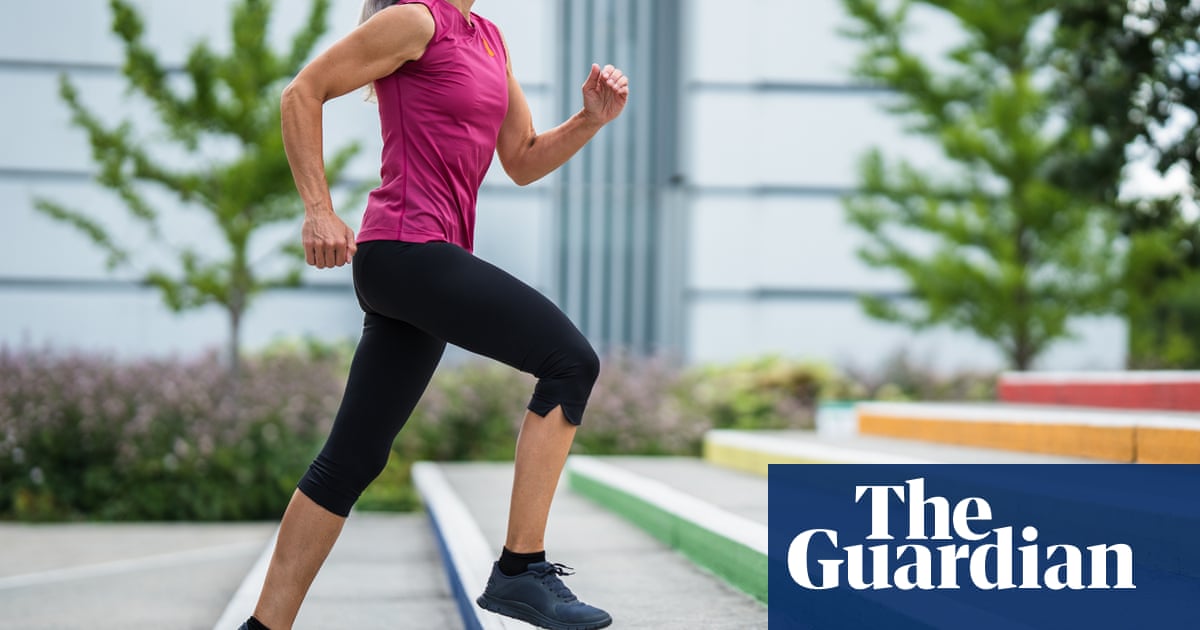
Get out there and exercise (after consulting with your doctor)! Now a world-first trial involving patients from the US, UK, Australia, France, Canada and Israel has found that a structured exercise regime after treatment can dramatically reduce the risk of dying, the disease returning or a new cancer developing. The results were presented in Chicago at the American Society of Clinical Oncology (Asco) annual meeting, the world’s largest cancer conference, and published in the New England Journal of Medicine. Patients who began a structured exercise regime with the help of a personal trainer or health coach after they completed treatment had a 37% lower risk of death and a 28% lower risk of recurrent or new cancers developing, compared with patients who received only health advice, the trial found. Asked to put the effect of exercise on cancer patients’ outcomes into context, Gralow said: “We titled [the session it was presented in] As Good as a Drug. I would have retitled it Better than a Drug, because you don’t have all the side-effects.” “It’s the same magnitude of benefit of many drugs that get approved for this kind of magnitude of benefit – 28% decreased risk of occurrence, 37% decreased risk of death. Drugs get approved for less than that, and they’re expensive and they’re toxic.” While this study followed only colon cancer patients, Gralow said there was no reason to think the findings would not be applicable across other cancers. Booth said trials for other cancers would be needed, but added that data from this study suggested there were lower breast and prostate cancer occurrences in the exercise group. Full article at the link below: https://www.theguardian.com/society/2025/jun/01/exercise-better-than-drugs-after-cancer-treatment-international-trial-finds